
Skincare for all Skin Types

Skincare for all Skin Types
Tips and Tricks for healthy, glowing skin!
Healthy skin is essential, no matter your skin type. Every skin type has its own specific needs.
There are some general characteristics that can help you determine your skin type. With our guide, you’ll learn how to identify your skin type and discover the right care routine for it.
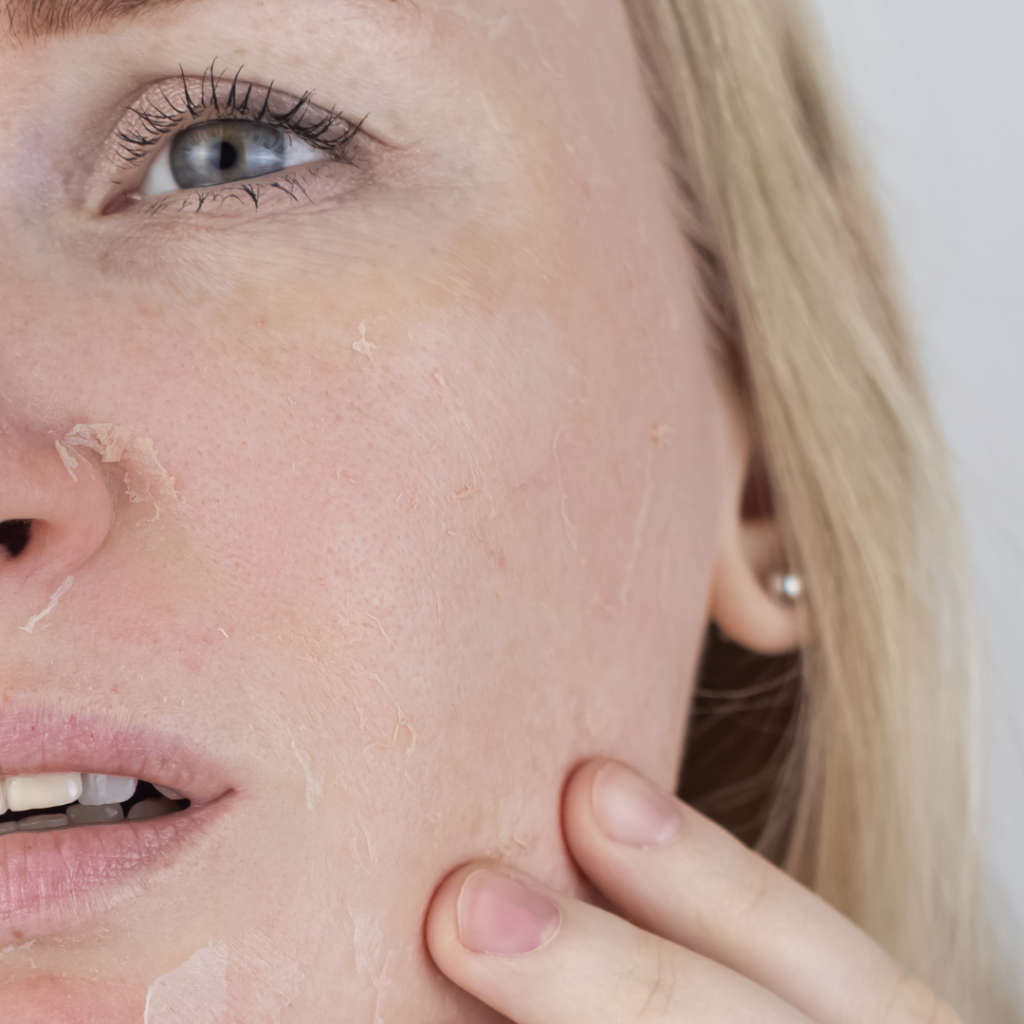
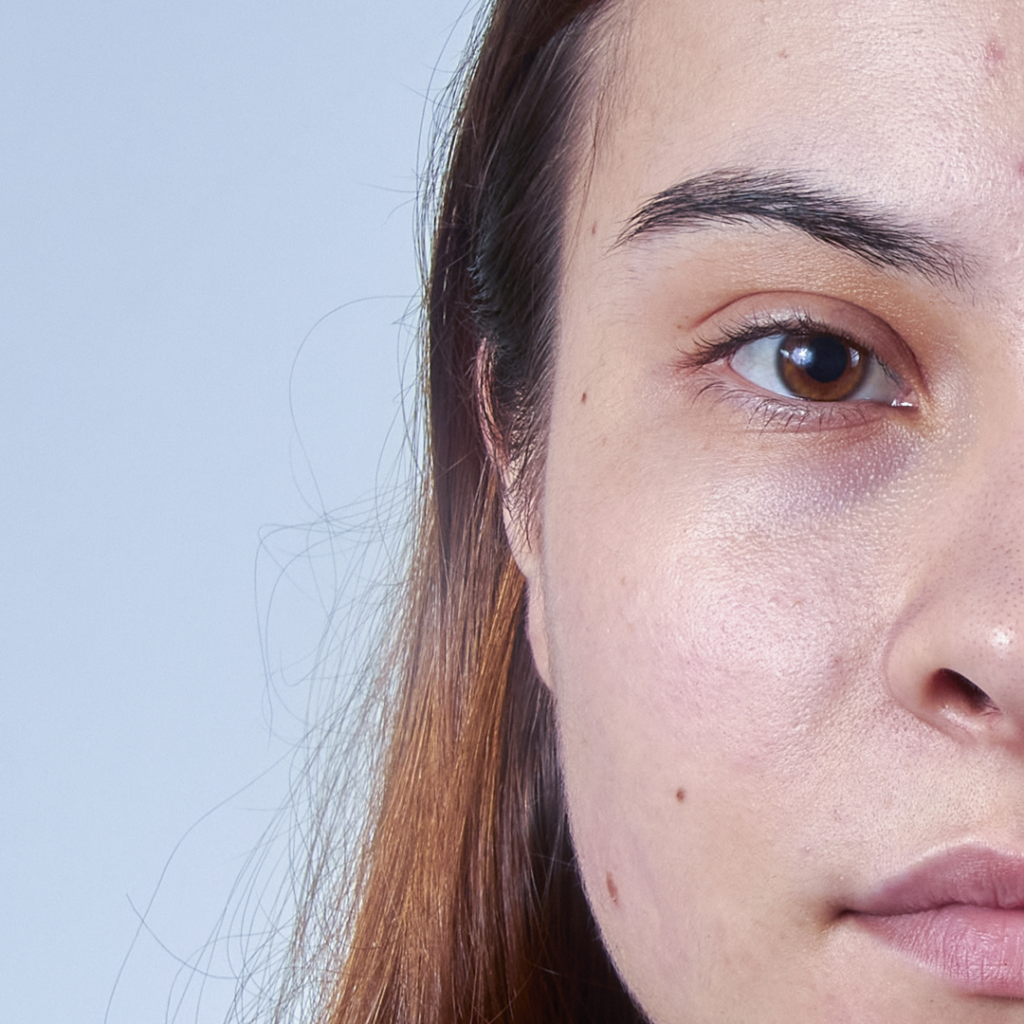



It’s also important to adjust your skincare products according to the season and environmental conditions. In winter, the skin often needs more moisture, while in summer, products with sun protection (SPF) are beneficial.
A regular and appropriate skincare routine is essential to maintain healthy skin. By understanding and addressing the needs of your specific skin type, you can care for your skin effectively and protect it from damage.
Want more skincare tips, exclusive offers and product news?
Newsletter abonnieren & 5€ Gutschein sichern!
Erhalten Sie regelmäßig News über neue Produkte und exklusive Angebote. Eine Abmeldung ist jederzeit möglich.
Vielen Dank für die Anmeldung zu unserem Newsletter!

Frequently Asked Questions
- What is the T-zone on the face?
The T-zone is an area of the face that includes the forehead, nose and chin. This zone contains more sebaceous glands than other parts of the face, making it oilier and more prone to blemishes.
- How can I determine my skin type?
There are several ways to identify your skin type – visual inspection, the blotting paper test or a professional skin analysis.
Visual Inspection:
- Wash your face with a gentle cleanser and pat it dry with a clean towel.
- Wait 30 minutes, then observe your skin in the mirror:
- If your skin appears shiny all over, then you have oily skin.
- If it feels tight or dry, then you have dry skin.
- If only the T-zone is shiny, while other areas feel dry or tight, then you have combination skin.
- If your skin feels comfortable, with no visible shine or tightness, then you have normal skin.
Blotting Paper Test:
- Cleanse your face and pat it dry.
- After 30 minutes, press a plotting paper gently onto various areas of your face.
- Hold the sheet up to the light and examine the oil marks:
- If there are many oily spots, then you have oily skin.
- If there are few or no spots, then you have dry skin.
- If there are oily spots in only some areas, then you have combination skin.
- If there is a small and even amount of oil, then you have normal skin.
- How do seasons affect my skin and skincare?
Cold weather and indoor heating dry out the skin. Use rich creams, moisturizing masks and lip balms during fall and winter.
In summer, heat increases the oil production, often leading to clogged pores. Opt for lightweight, hydrating products with SPF.
- Why is a regular skincare routine important?
A consistent and suitable skincare routine is essential for maintaining healthy skin. By understanding your skin’s needs, you can nourish and protect it from damage over time.
- Which ingredients should I avoid if I have sensitive skin?
If your skin is sensitive, avoid ingredients that commonly cause irritation or redness, such as alcohol, fragrances, sulfates, retinoids or alpha hydroxy acids (AHAs).
Instead, use products with gentle, natural ingredients like calendula, chamomile and aloe vera.
- How often should I cleanse my face?
You should cleanse your face twice a day – once in the morning and once in the evening.
Morning: removes sweat, oil and bacteria that accumulated overnight.
Evening: removes makeup, dirt and environmental impurities so the skin can regenerated during sleep.
- Is sun protection important for all skin types?
Yes! Regardless of your skin type, you should apply sun protection daily to shield your skin from UV damage. Look for moisturizers with SPF year-round.
- What common skincare mistakes should I avoid?
To keep your skin healthy, avoid the following:
- Not removing makeup thoroughly at night.
- Using products not suited for your skin type.
- Over-exfoliating.
- Constantly switching skincare products without giving them time to work.